Key Takeaways:
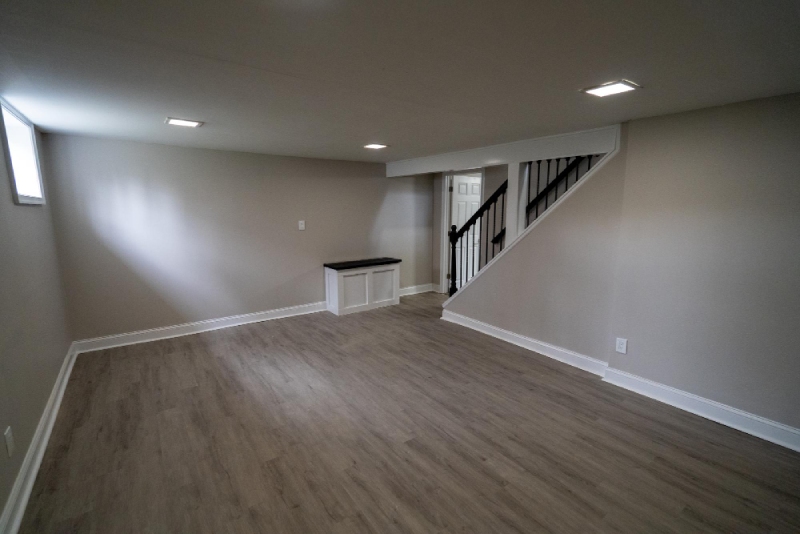
- The best flooring for basement areas must handle moisture, humidity, and temperature changes.
- Waterproof basement flooring, like vinyl and tile, offers the best protection and durability.
- Avoid materials like solid hardwood that can absorb moisture and get damaged.
- The ideal flooring for basement spaces depends on how you plan to use the area.
- Choosing the recommended flooring for basements helps prevent costly repairs later.
Selecting the appropriate flooring for your basement is not a simple task. Basements are more prone to moisture, humidity, and even minor leaks. In fact, the American Society of Home Inspectors estimates that over 60% of homes experience basement moisture, which is why choosing the right flooring is so important. When you choose the wrong material, there is a chance that your floor may warp, crack, or form mould over time.
What is the most appropriate flooring to use in basement areas that can withstand these conditions?
The solution would be determined by your space, your needs, and your basement moisture level. This guide will inform you about the most recommended flooring for basements, the best materials to use, and the worst to avoid. The right choice will enable you to have a comfortable, durable, and lasting basement.
What is the best flooring for basements with moisture?
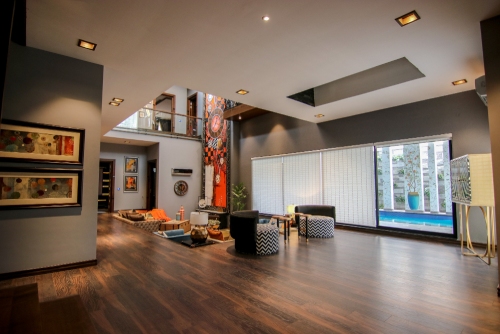
The most suitable moisture-resistant basement flooring is water- and humidity-resistant. Basements are usually in contact with wet air, or a little water seeps in, since they are located below the ground level. This implies that your flooring should be robust enough to withstand such conditions without being damaged.
Other materials, such as tile and vinyl, are used because they do not absorb water. They are regarded as the best options for moisture-resistant flooring in basement areas.
Moisture-resistant basement flooring is a good choice to prevent mould, odours, and costly home repairs. It also makes your basement easier to clean and maintain.
Nevertheless, if you are not certain of your moisture level, it is always advisable to check your basement or consult a flooring expert before making a final judgment.
Which types of flooring work best in damp basements?
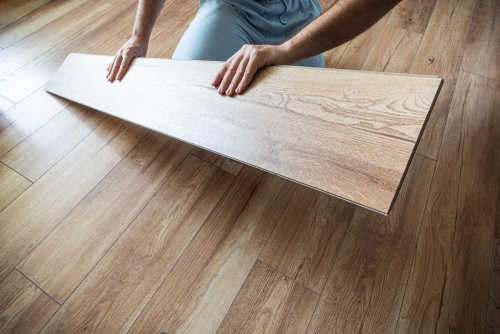
When selecting the best flooring for basement rooms, care should be taken to choose materials that can withstand damp conditions. Not every type of flooring is suitable for basements, and choosing the right one is important.
- Waterproof basement flooring options (vinyl and tile)
One of the most popular types today is luxury vinyl flooring. It is waterproof, durable, and stylish. It may resemble wood or stone, but it provides more protection against moisture.
Tile is another great option. It is powerful, durable, and water-resistant. Most homeowners prefer tile in areas with high moisture.
These are the best floorings that are usually listed as the best in basements due to their combination of durability and ease of maintenance.
- Engineered flooring vs. solid hardwood
Compared to solid hardwood, engineered wood is more stable because it uses layers. It is not completely waterproof, though it can withstand some moisture.
Solid hardwood, however, should not be used in the basement. When it comes into contact with moisture, it may swell, crack, or warp.
- Carpet tiles and flexible options
Some basements can be used with carpet tiles, provided the area is dry. When one part becomes damaged, it is easier to replace. Nevertheless, they cannot be used in high-moisture areas.
What flooring should you avoid in a basement?
It is also important to know what to avoid as well as what works. There are just materials that do not suit the basement conditions.
Why solid hardwood is risky
Solid hardwood is very sensitive to moisture. The slightest drop of water will swell it or distort it. In the long run, it may cause irreparable harm.
Problems with standard laminate flooring
Flooring basement spaces with traditional laminate flooring is also not perfect. It can absorb moisture and swell, particularly after a spill or leak.
There are some more recent waterproof laminates, though these must be applied with caution.
When carpet may or may not work
Wall carpet may become wet and cause mould. Carpet tiles would be a better option in case you need a soft floor, as they are simpler to replace.
Not using the wrong materials will save you money and prevent future problems.
How do you choose the right basement flooring for your needs?
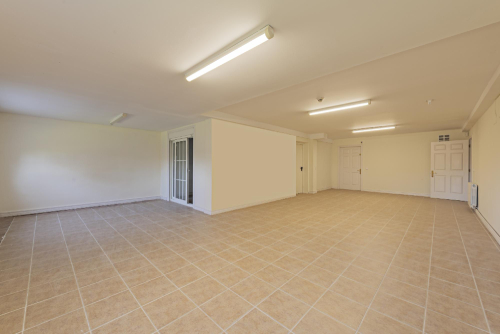
The flooring recommended for a basement project depends on how you intend to use the space. All basements are unique, and therefore, your flooring should reflect your lifestyle.
Basement living rooms and entertainment spaces
In case you live in your basement, comfort and style matter. Vinyl flooring is an excellent choice for its appearance and comfort underfoot.
Rental units and income suites
In the case of rental spaces, durability counts. You need flooring that withstands wear and tear and is easy to maintain. The flooring usually recommended for basement rentals is waterproof vinyl or tile.
Storage areas and utility spaces
When your basement is primarily used for storage, you can invest more in functionality than in looks. It is good to use simple, durable materials such as tile.
The selection of appropriate flooring can make your basement useful and beautiful for several years.
What are the benefits of waterproof and moisture-resistant flooring?
Waterproof basement flooring has a lot of advantages. It protects your home and makes your space easier to manage.
Long-term durability and cost savings
Waterproofs are more durable since they are not easily damaged. This translates to fewer repairs and replacements in the long run, saving you money.
Easy maintenance and cleaning
Waterproof surfaces are easy to clean after spills and dirt. There is no need to worry about stains or permanent damage.
Improved comfort and safety
Comfort is a key design feature of many current floorings. They can help minimize slipping risk, which makes your basement safer for your family.
Using moisture-resistant flooring for basement areas gives you peace of mind, especially during wet seasons.
Should you hire a professional for basement flooring installation?
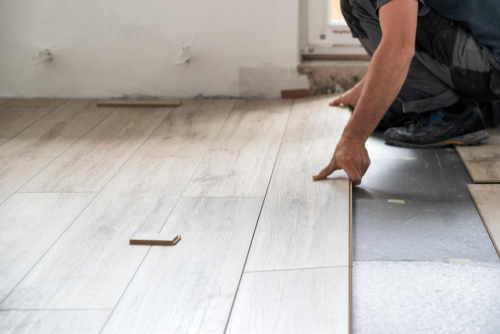
Some homeowners attempt to install it themselves, but employing the services of a professional can make a huge difference. The right installation is essential in ensuring that your best basement flooring against moisture works out.
Importance of proper subfloor preparation
The subfloor should be clean, flat, and dry before the flooring is installed. A professional is aware of how to prepare the surface properly.
Avoiding costly installation mistakes
Mistakes during installation can lead to gaps, uneven surfaces, or moisture problems. Fixing these issues later can be expensive.
Benefits of expert recommendations
Employing a flooring specialist aids in selecting the best flooring for basements based on your requirements. You also receive advice on long-term care and maintenance.
Conclusion
When selecting the best flooring for basement rooms, it is all about moisture resistance. You can save on your investment by choosing long-lasting, waterproof materials and avoiding moisture-sensitive ones to make this space comfortable and durable.
From vinyl to tile, the best flooring to recommend for basements is based on performance and style. The best option will depend on the purpose you plan to use your basement for and the moisture content.
In case you are planning a basement upgrade, it can be easier and more reliable to engage the services of a professional. Visit Moore Flooring + Design to discuss what you want and receive expert guidance on which flooring to install and which to use in your home.
Frequently Asked Questions
What is the best flooring for basements with moisture?
Vinyl and tile are the most suitable basement flooring materials for moisture. These fabrics are waterproof and suitable for wet weather.
Is vinyl really the best flooring for basement spaces?
Yes, one of the most recommended basement floorings is vinyl, as it is waterproof, durable, and easy to maintain.
Can you use laminate flooring in a basement?
Flooring in basement areas should not be done with standard laminate, as it swells in the presence of moisture. Better options could be waterproof.
What is the most durable moisture-resistant basement flooring?
Some of the most lasting moisture-resistant basement flooring materials on the market today include tile and luxury vinyl.
Is carpet a good option for basement flooring?
Carpet may be used in dry basements but not in wet basements as the best flooring. Carpet tiles are a safer option.
How do I choose the ideal flooring for basement use?
Think about moisture levels, usage, and budget. The ideal flooring for basement spaces should be water-resistant and easy to maintain.
Do I need professional installation for basement flooring?
Yes, professional installation ensures your recommended flooring for basements is installed correctly and lasts longer.
What are the benefits of waterproof basement flooring?
Waterproof basement flooring protects against spills, humidity, and leaks while making cleaning easier and extending floor life.